Diary Writing Font Review
It’s 9 PM on a Tuesday, and I’m finalizing the visuals for a seasonal sale campaign. The client wants something warm, inviting, and a little nostalgic. I’ve been scrolling through my design assets, and the moment I open the Diary Writing font, I know it’s the right choice. Its flowing curves and soft edges feel like a handwritten note from a friend, which is exactly what the campaign needs.
Visual Style and Personality
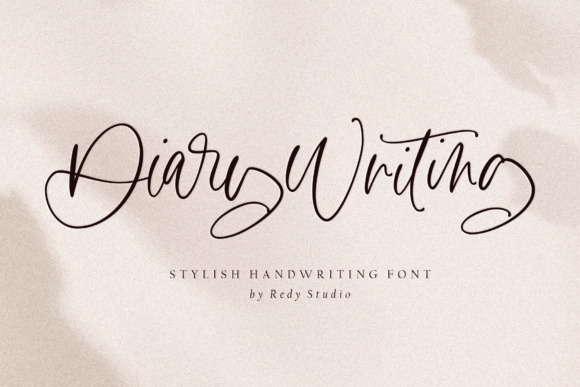
Diary Writing has a distinct personality—effortless yet elegant. It’s not overly ornate, but it carries a sense of intimacy that makes it perfect for personal or lifestyle-focused campaigns. The font feels like it was written with a fountain pen, giving it a natural, organic flow. This makes it ideal for branding that aims to feel authentic and approachable.
Its visual style works well in both digital and print formats. When used in social media graphics, it adds a touch of warmth that stands out against more rigid typefaces. In web design, it can be used as a headline or logo-style text to draw attention without overwhelming the viewer.
Campaign Applications
I recently used Diary Writing for an Instagram content series promoting a new line of handmade candles. The font was perfect for the captions, where it added a personal, artisanal feel. On YouTube thumbnails, it helped create a clear visual hierarchy, making the title stand out while still feeling friendly and readable.
For a webinar banner, I paired Diary Writing with a clean sans serif font to balance the design. The script font was used for the event title, while the sans serif handled the supporting details. This pairing created a modern yet personal look that resonated with the target audience.
Readability and Practical Use
One of the key considerations when using a script font like Diary Writing is readability. On mobile screens, especially in small previews or thumbnails, it’s important to keep the text short and use it as a headline rather than body copy. For example, in an email promotion, I used Diary Writing for the subject line and main callout, ensuring it was large enough to be legible at a glance.
When designing for dark backgrounds, the font holds up well, maintaining its contrast and clarity. On light backgrounds, it still looks crisp and professional. However, it’s best avoided in situations where the text is too small or placed over complex images, as this can reduce legibility.
Best Use Cases
Diary Writing shines in short headlines, callouts, and decorative titles. It’s excellent for logo-style text, campaign labels, and display typography. For instance, I used it in a branded template pack for a boutique online shop, where it was applied to product banners and promotional cards. The font added a unique, personalized touch that aligned with the brand’s aesthetic.
It also works well in quote graphics, where the font’s elegance enhances the message. In a recent Pinterest campaign, I used Diary Writing for inspirational quotes, and the result was visually cohesive and engaging.
Font Pairing and Design Integration
When working with Diary Writing, it’s helpful to pair it with a complementary typeface. A clean sans serif like Helvetica or Roboto can provide contrast and balance, making the design feel more structured. A serif font such as Georgia or Playfair Display can add a classic, refined touch, especially in editorial or packaging designs.
For a more modern look, pairing Diary Writing with a geometric sans serif like Futura or Montserrat can create a stylish and contemporary feel. In digital ads, this combination helps maintain visual interest while keeping the message clear.
Before using Diary Writing in any campaign, it’s important to check the included styles, alternates, ligatures, and weights. These features can enhance the font’s versatility, allowing for more creative expression in different design contexts. Also, ensure that the font supports the languages and characters needed for your project, especially if you’re targeting international audiences.
Finally, always verify the commercial licensing terms. Diary Writing is part of the Script Amp collection, which offers flexible usage rights for various design projects, including digital products, merchandise, and client campaigns.